
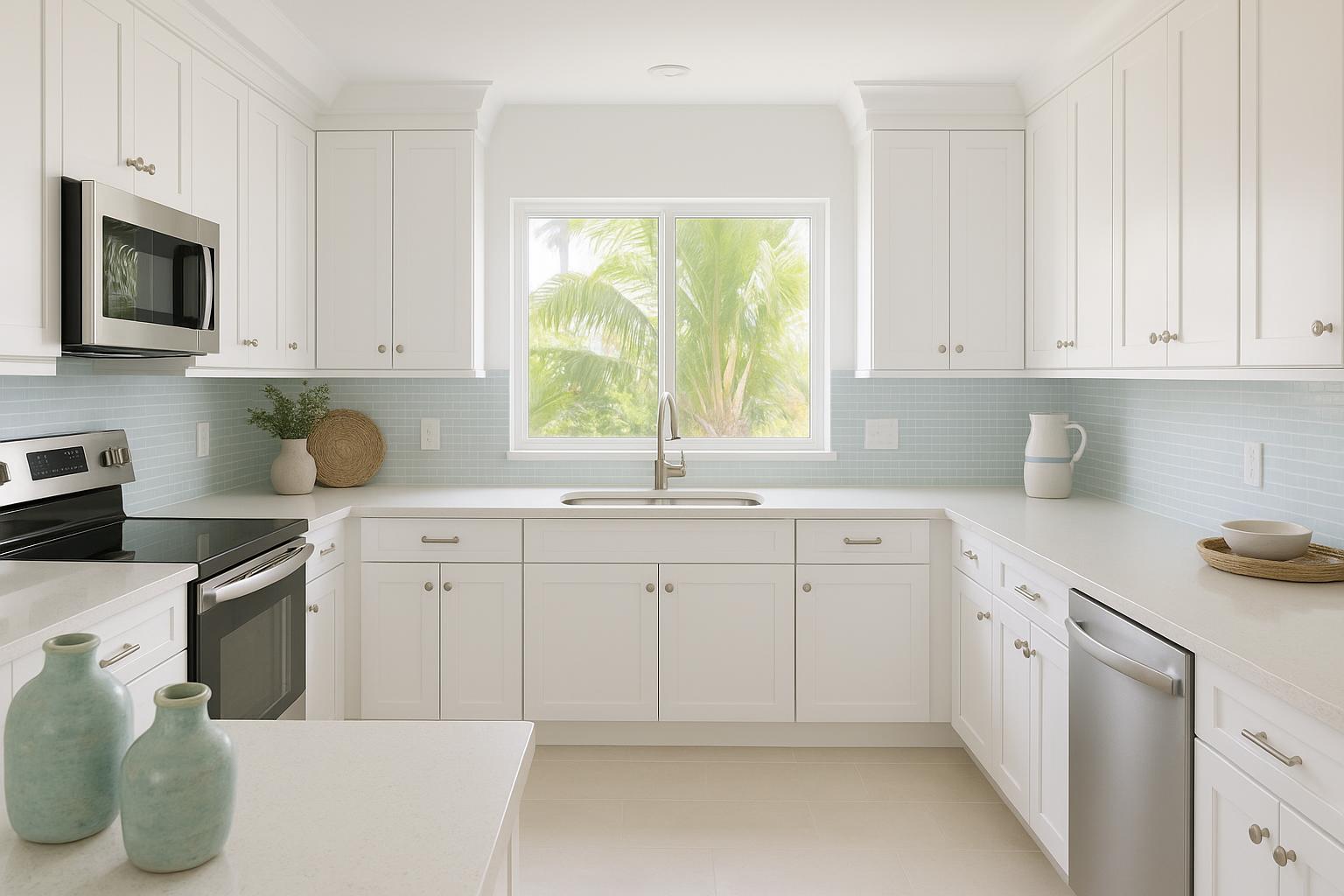
Remodeling by the Coast Is Different — Here's How to Get It Right
Living near the ocean in Lauderdale-By-The-Sea is one of life's great luxuries. The sound of waves, the salt breeze, the laid-back lifestyle — it's hard to beat. But when it comes to remodeling your home, that beautiful coastal environment introduces a unique set of challenges that inland homeowners simply don't face.
If you're planning a kitchen remodel, bathroom renovation, or any kind of home upgrade in a coastal community, understanding these challenges upfront can save you thousands of dollars and years of frustration. Here's what every homeowner in our area should know before starting a renovation project.
Humidity Is Your Home's Biggest Enemy
South Florida humidity regularly hovers between 70% and 90%, and homes just steps from the beach experience even more moisture exposure. This has a direct impact on the materials you choose for your remodel.
Wood cabinets, for example, can swell, warp, and develop mold if they aren't properly sealed or made from the right species. Drywall absorbs moisture and can become a breeding ground for mildew behind walls. Even adhesives and grouts behave differently in high-humidity environments.
What to Do About It
- Choose moisture-resistant materials. Marine-grade plywood, PVC-based trim, and solid surface countertops all perform better in humid conditions than their standard counterparts.
- Invest in proper ventilation. Bathroom remodels should always include a high-quality exhaust fan rated for the room's square footage. In kitchens, a vented range hood makes a real difference.
- Use mold-resistant drywall and paint. These products cost slightly more but pay for themselves by preventing costly mold remediation down the road.
Salt Air Corrodes More Than You Think
Homes in Lauderdale-By-The-Sea sit within what builders call the "salt zone" — typically within a mile or two of the ocean. Salt-laden air accelerates corrosion on metals, degrades certain finishes, and can shorten the lifespan of fixtures and hardware dramatically.
We've seen brand-new cabinet hardware start pitting within a year because a homeowner chose a finish that wasn't rated for coastal use. Faucets, drawer pulls, towel bars, light fixtures — anything metal is at risk.
Smart Material Choices for Coastal Homes
- Stainless steel (316 grade) is the gold standard for coastal hardware. Standard 304-grade stainless will still corrode near the ocean.
- Solid brass and bronze develop a natural patina but resist structural corrosion well.
- Avoid chrome and nickel finishes in bathrooms and kitchens that get direct exposure to salt air through open windows.
- Porcelain and ceramic tile are excellent choices for flooring and walls because they're completely unaffected by salt and moisture.
Florida's Building Codes Are Strict — For Good Reason
Broward County has some of the most rigorous building codes in the country, largely because of our hurricane exposure. If your remodel involves any structural changes, electrical work, plumbing modifications, or window replacements, you'll need permits and inspections.
This isn't just bureaucratic red tape. These codes exist to protect your home and your family during severe weather. A properly permitted and inspected remodel also protects your home's resale value and keeps your insurance valid.
What This Means for Your Project
- Plan for permit timelines. Depending on the scope of work, permits in Broward County can take anywhere from a few days to several weeks. Build this into your project schedule from the start.
- Work with a licensed general contractor. In Florida, general contractors must hold a state-issued license. This ensures they understand local codes and can pull permits properly.
- Keep all documentation. Permit records, inspection reports, and contractor agreements are important for insurance claims, future sales, and any warranty issues.
Choosing Flooring That Survives the Beach Lifestyle
In a coastal community like ours, sand and water inevitably make their way inside. Whether it's kids running in from the beach or a quick rinse-off at the outdoor shower, your floors take a beating.
This is why we often recommend luxury vinyl plank (LVP) or porcelain tile for coastal home remodels. Both are waterproof, scratch-resistant, and easy to clean. Modern LVP products convincingly mimic the look of hardwood without any of the moisture vulnerability.
Natural hardwood can work in certain areas of the home, but it requires more maintenance and isn't ideal for bathrooms, kitchens, or entryways in beachside properties. If you love the look of wood, engineered hardwood with a strong moisture barrier is a better compromise than solid planks.
Designing for Indoor-Outdoor Living
One of the best things about living in Lauderdale-By-The-Sea is how much time you can spend outdoors. A well-planned remodel should enhance the connection between your indoor and outdoor spaces rather than ignore it.
In kitchen remodels, this might mean adding a pass-through window to a patio area or choosing a layout that flows naturally toward an outdoor dining space. In bathrooms, larger windows with frosted glass or a private outdoor shower addition can bring in natural light and that coastal feeling.
Think about how you actually live in your home day to day. The best remodels don't just look beautiful in photos — they make your daily routines easier and more enjoyable.
Budget Realistically for Coastal Construction
Remodeling costs in South Florida tend to run higher than national averages for several reasons: stricter building codes, higher material standards for coastal durability, and strong demand for skilled tradespeople. This doesn't mean you need an unlimited budget, but it does mean you should plan carefully.
A few tips for keeping your coastal remodel on track financially:
- Get a detailed written estimate before work begins, with line items for materials, labor, permits, and a contingency allowance.
- Spend more on what matters most. Investing in quality materials for high-moisture areas like bathrooms and kitchens saves money over time by reducing repairs and replacements.
- Don't skip the contingency fund. Older coastal homes often reveal surprises behind walls — outdated plumbing, corroded wiring, or water damage that wasn't visible before demolition. A 10-15% contingency buffer is standard practice.
The Bottom Line: Work With Someone Who Knows Coastal Homes
A remodel in a beachside community isn't the same as a remodel twenty miles inland. The materials, the codes, the climate considerations, and even the lifestyle priorities are different. Working with a contractor who understands these nuances from day one makes the entire process smoother and the results more durable.
At Summit General Contractors, we specialize in kitchen and bathroom remodeling for homeowners in Lauderdale-By-The-Sea, Fort Lauderdale, Pompano Beach, and surrounding communities. We know what works in coastal homes because we build in them every day. If you're thinking about a renovation, we'd love to help you plan a space that looks incredible and holds up to everything South Florida can throw at it.